
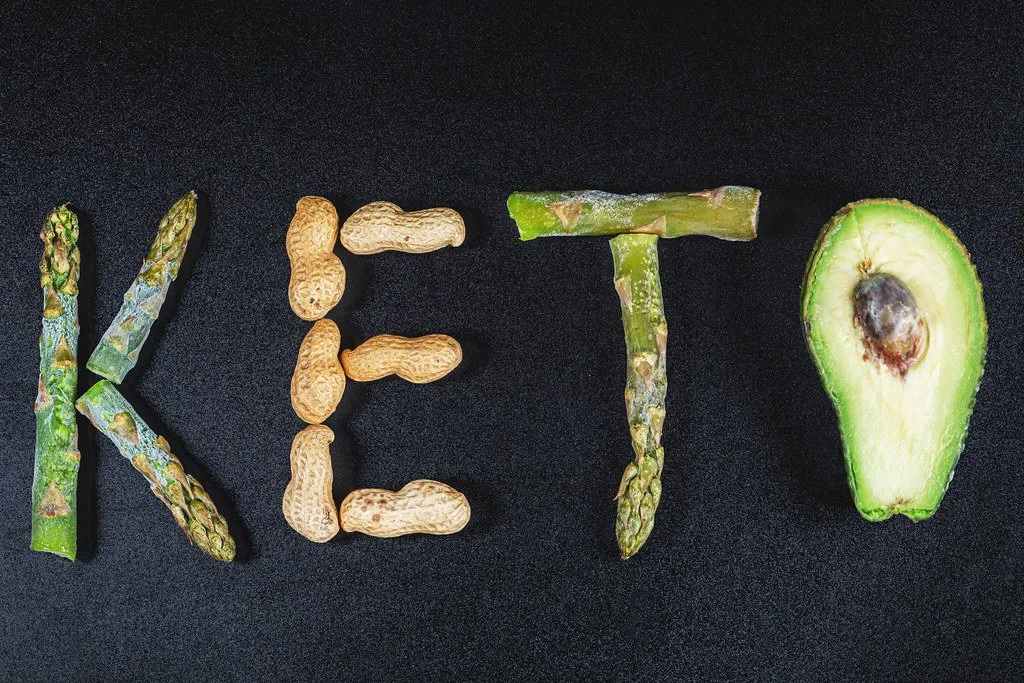
The ketogenic diet — and low-carbohydrate diets in general — is one of the most widespread diets today. Let's take a closer look at it. Right at the start, it's important to say that the keto diet shouldn't be associated only with the instant products you can find online. A keto diet can also be built entirely from ordinary, everyday foods.
Where did it come from?
The keto diet was originally developed as a therapeutic method for patients suffering from epilepsy. Over time, however, its popularity grew and it also began to be used for weight loss.
How does it work?
The keto diet is based on restricting carbohydrate (sugar) intake and increasing fat intake. That doesn't just mean sweets — it also includes the carbohydrates found in foods such as potatoes, pasta, and fruit. Since the body uses carbohydrates as its main source of energy, on this diet it is forced to find an alternative fuel: fat. The body breaks fat down into small particles called ketones, which then serve as fuel. This state is known as ketosis.
Ketosis can be reached either through fasting or by cutting carbohydrates out of the diet — the latter being the approach used in this diet.
Can you really lose weight with it?
Yes, you can. But it's far from easy. There are other, less restrictive paths to reaching your target weight that don't require such a drastic carbohydrate restriction.
Pros and cons
The ketogenic diet has its benefits, such as rapid weight loss and better blood sugar control. However, it can also have side effects such as the "keto flu," as well as digestive problems, sleep issues, and mood swings. It's important to be aware of these side effects and adjust your daily routine accordingly when starting a ketogenic diet.
Principles of the ketogenic diet
- Choose quality fats – it's important to favour healthy fats found, for example, in avocados, olive oil, fish, and nuts.
- Quality protein – the ketogenic diet doesn't include large amounts of protein, so it's important to choose proteins with high biological value (chicken, beef, fish, eggs…)
- Protein amount – The recommended protein intake is around 1 gram per kilogram of body weight. Excess protein can prevent you from reaching ketosis, while too little can harm your health.
- Enough fibre – Despite the carbohydrate restriction, your diet should still contain plenty of fibre, which you can get from low-carb vegetables (spinach, celery, peppers, cauliflower…)
- Consult a professional – This diet is not suitable for everyone – always consult a professional before starting a ketogenic diet!
Conclusion
The ketogenic diet is a frequently discussed topic that has turned into a big business. Unfortunately, that business often revolves around selling instant products and has very little to do with healthy weight loss.
Marketing claims can often be exaggerated, so it's important to consult any eating plan with a doctor or a nutrition professional. The ketogenic diet isn't for everyone and can have side effects, so approach it sensibly and verify the information you come across.