
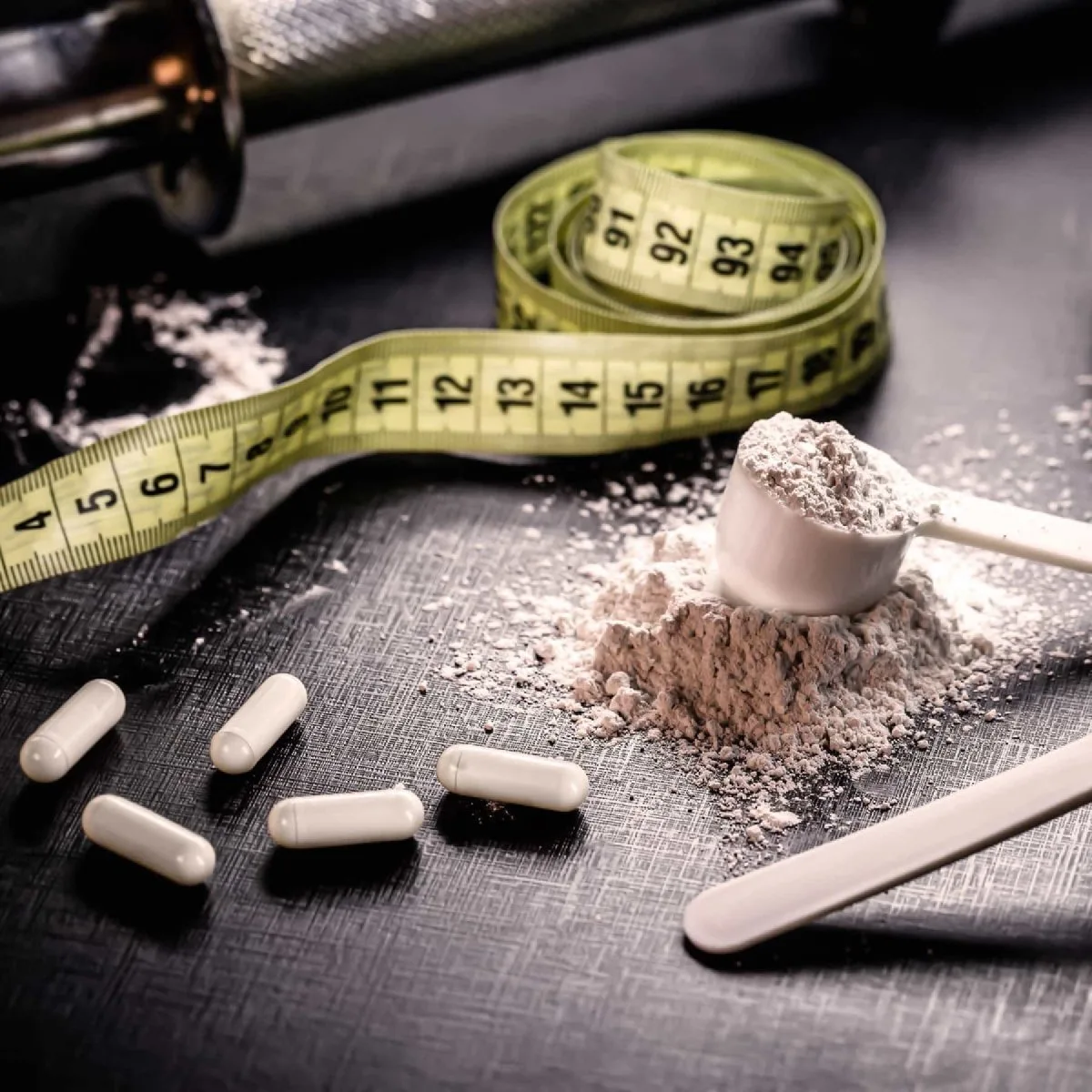
Creatine is one of the most popular and most thoroughly researched dietary supplements in sports nutrition. Why? Because it can significantly improve physical performance and support muscle growth. In this article, we'll walk you through the world of creatine in plain language, without unnecessary scientific jargon.
What is it?
Creatine is a natural substance found in your body. Think of it as an energy bomb for your muscles, used during fast, intense physical activities such as sprinting or lifting heavy weights. Your body can produce it on its own, or you can get it from foods such as meat and fish — although you would have to eat truly large amounts to get enough. That's why creatine supplements are a far more practical choice.
How does it work?
Creatine simply makes sure your muscle cells always have enough energy on hand for quick, intense movements. This energy is called ATP (adenosine triphosphate) and it's used precisely during short bursts of strength and explosive activity.
Thanks to creatine, your muscles are better supplied with energy, allowing you to perform better during short, demanding efforts.
Forms of creatine
There are several forms of creatine, but the oldest and best-proven one is creatine monohydrate. So far, there is no solid evidence that newer creatine variants are any more effective. As for the product itself, creatine powder is usually stable and can withstand temperatures of up to 40 °C for several years. Keep in mind, though, that creatine powder should be stored in a cool place and mixed with liquid only shortly before consumption.
Which creatine should you choose?
One trustworthy brand of creatine supplements is Creapure, which guarantees high product purity. It is manufactured to strict standards, which reduces the risk of contamination. So look for the Creapure label on the packaging if you want to choose a quality creatine.
Effects
Increased muscle strength: Creatine helps you gain more strength, which comes in handy when lifting weights or sprinting.
Increased muscle mass: Some people may notice muscle gain. This, however, depends on your body type and training plan.
Improved endurance: Creatine boosts your endurance, allowing you to do more reps or train harder.
Increased muscle volume: Creatine can make your muscles look fuller and bigger.
Faster recovery: It helps you bounce back more quickly after a demanding workout.
Creatine and women
Forget the myth that creatine is only for men. Women can benefit from it too. The concern about weight gain is legitimate, though. Creatine can cause an increase in body weight by drawing more water into the muscles. But there's no need to worry about your figure. You can rest assured you won't look fat — your muscles will simply look more defined.
How to supplement creatine
There are two main supplementation methods: a loading phase and a constant daily dose. The loading phase involves short-term but higher doses of creatine – roughly 20–25 grams per day for 4–7 days. You then move into a maintenance phase with smaller doses, typically 2–5 grams per day. The loading phase can bring faster results, but the higher doses may cause stomach discomfort in some people. The second approach is to take creatine at the same daily dose all along, usually 3–5 grams.
Both methods work. The loading phase may lead to quicker results, but in the long run the outcome of both methods is the same. The choice comes down to your preferences and your sensitivity to creatine. You can take creatine at any time of day, but what matters is taking it consistently over the long term.
Remember that everyone responds to creatine differently. Some people notice significant benefits, while others may not respond to the supplement as strongly. Don't despair if you don't see immediate results. Your body may already have enough natural creatine, which means you may not need creatine supplements at all.